Apple has long been a premium brand in the laptop market — but that’s about to change. Reports suggest Apple is planning a new low-cost MacBook priced significantly lower than existing MacBooks, a move that could broaden adoption across both consumer and enterprise markets. This isn’t just another rumor: if the device materializes as expected, it could accelerate enterprise Mac deployments in ways IT teams haven’t fully prepared for.
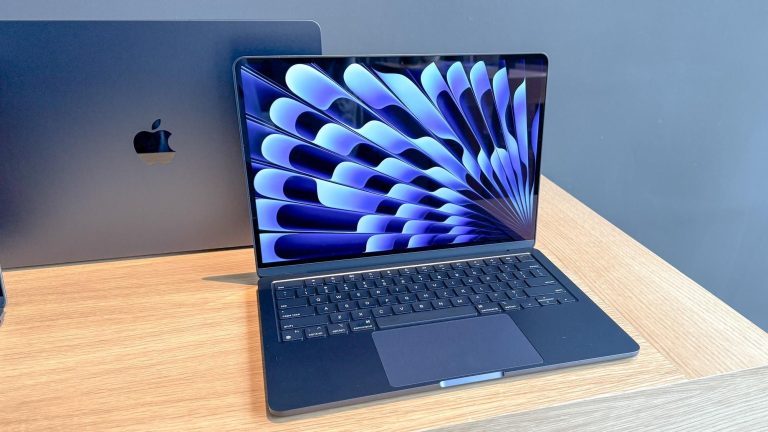
Why a Budget MacBook Matters
At an estimated starting price between $599 and $699, Apple’s budget MacBook could be the first to use an iPhone-series chip such as the A18 Pro instead of an M-series processor. That change — along with cost-savings on display and ports — would create Apple’s first true entry-level Mac laptop.
This is significant because Apple Silicon Macs have traditionally targeted mid-to-high-end users. With a cheaper option, Apple can compete not just with premium Windows laptops, but also with Chromebooks and entry-level notebooks — devices that many organizations already use widely.
Enterprise Impact: A New Mac Adoption Era
Macs Moving from Specialty to Standard
Until now, many enterprise IT teams treated Macs as exceptions: devices for creatives, execs, or select engineers. A significantly cheaper MacBook, however, changes that dynamic. When price barriers fall, organizations that once standardized on Windows hardware might reconsider.
More Macs, More Management Challenges
Lower hardware costs don’t reduce the operational overhead of managing endpoints. Patching, security compliance, and lifecycle costs don’t disappear when devices are cheaper; they simply scale with volume. CIOs and IT specialists will need modern Mac management tools and automation to handle a larger and more diverse fleet of devices.
Key Enterprise IT Challenges Ahead
Here are the specific areas where affordable Macs may strain current IT processes:
1. Shadow IT and Unmanaged Devices
Budget Macs will be easier to procure outside formal procurement cycles, increasing the risk of “shadow IT” — devices that skip IT oversight entirely. This necessitates better visibility and control for enterprise environments.
2. Security & Compliance
Security remains a top priority for CIOs. Even as Macs gain popularity for strong built-in security features, ensuring consistent compliance across endpoints will become harder without enterprise-ready management and monitoring tools.
3. Infrastructure and Lifecycle Costs
IT teams must handle every device’s lifecycle — from deployment to refresh. Scaling this to hundreds or thousands of additional Macs requires planning and automation to reduce manual overhead.

What This Means for CIOs
According to recent enterprise surveys:
- 45% of CIOs view Apple infrastructure as strategic
- 97% would expand Mac adoption with better enterprise support
- Security, user preference, and performance are key drivers for Apple use
With a budget MacBook, organizations could shift toward a more Mac-inclusive strategy — but only if they build MacOps capabilities, including automation, orchestration, and visibility across device fleets.
Conclusion
Apple’s rumored low-cost MacBook represents much more than a new hardware entry. It could accelerate broad Mac adoption across enterprise environments — from frontline support staff to field teams and beyond. But for CIOs and IT leaders, this shift highlights the need to modernize infrastructure and endpoint management practices before demand outpaces readiness.
With a budget MacBook, organizations could shift toward a more Mac-inclusive strategy — but only if they build MacOps capabilities, including automation, orchestration, and visibility across device fleets.